About Conveyor Impact Idler
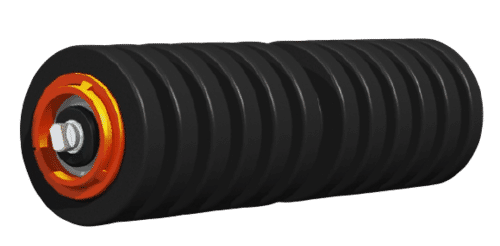
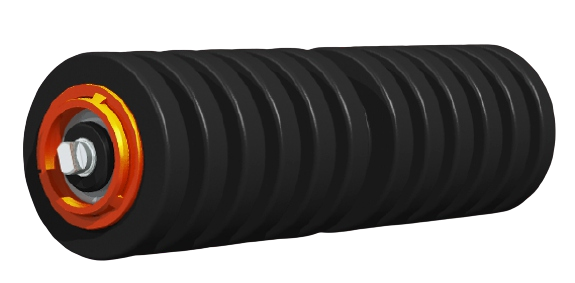
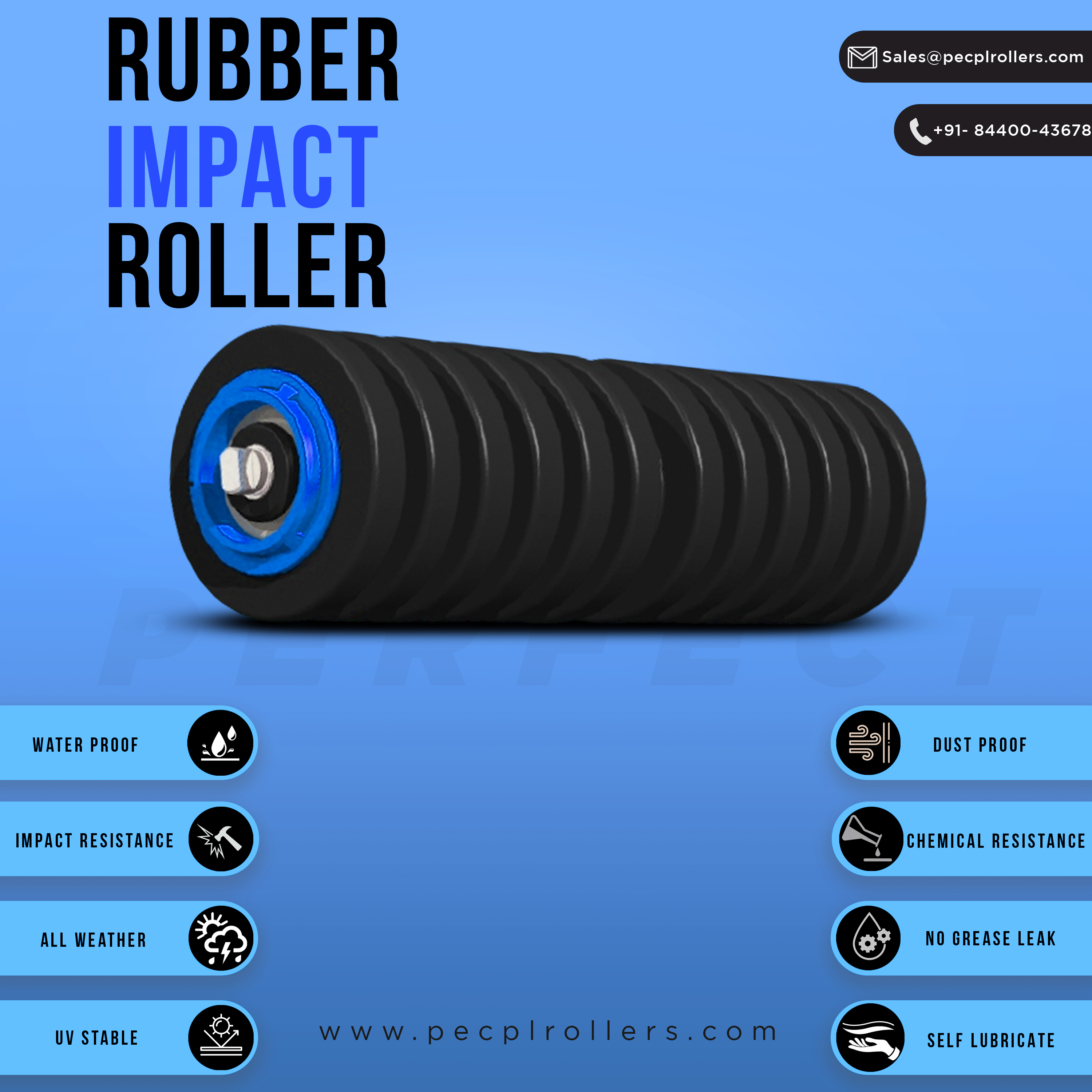
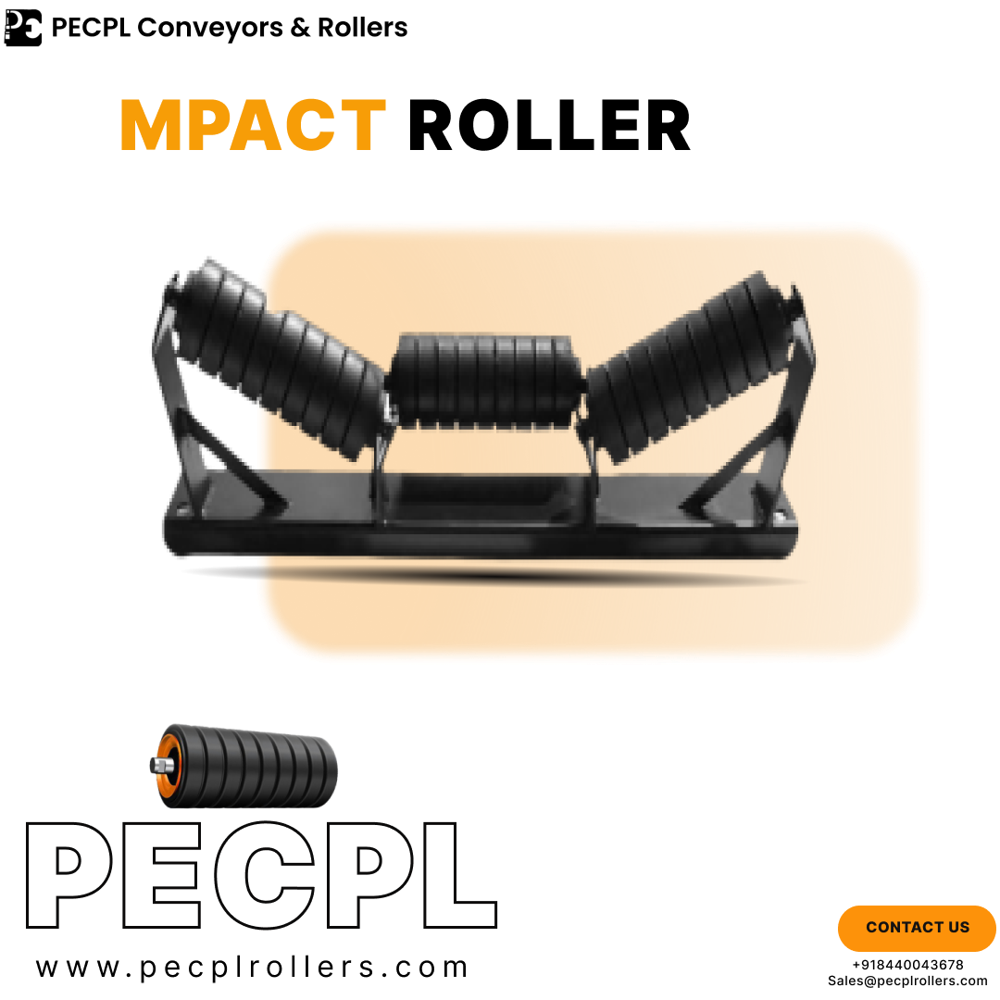
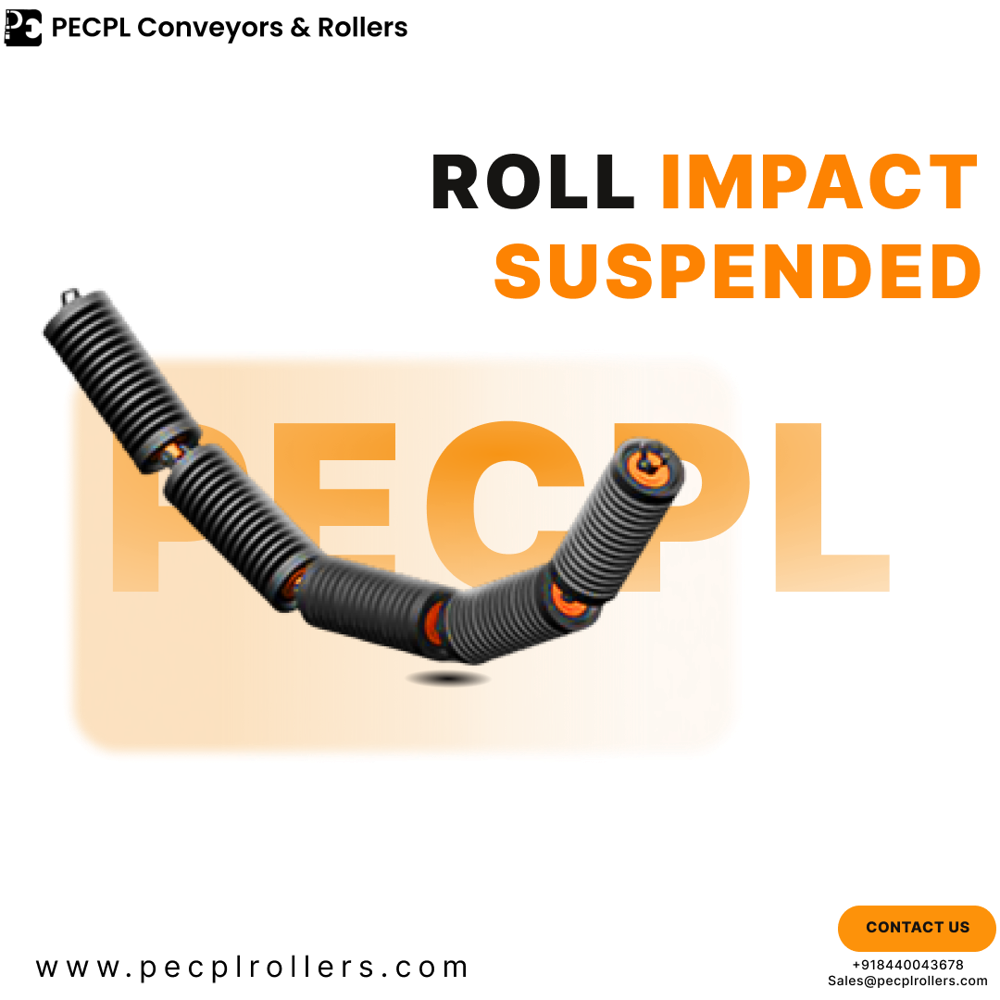
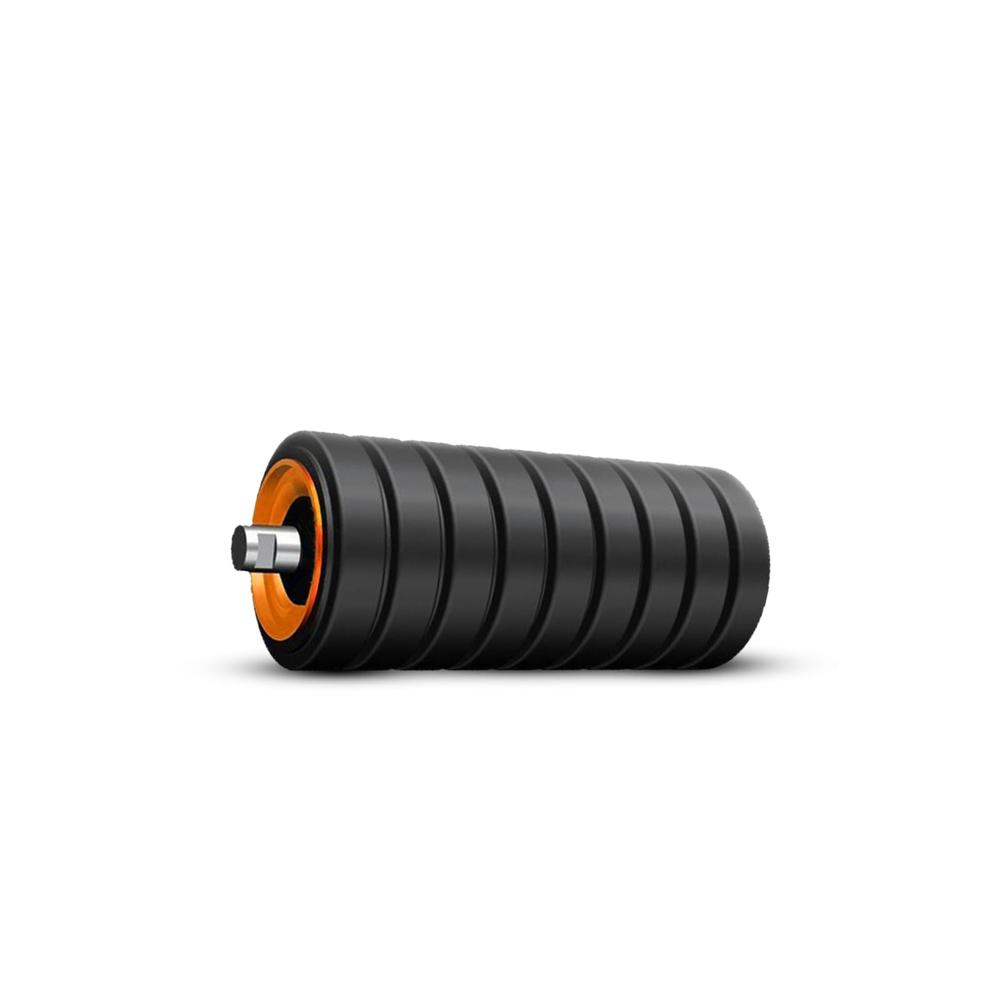
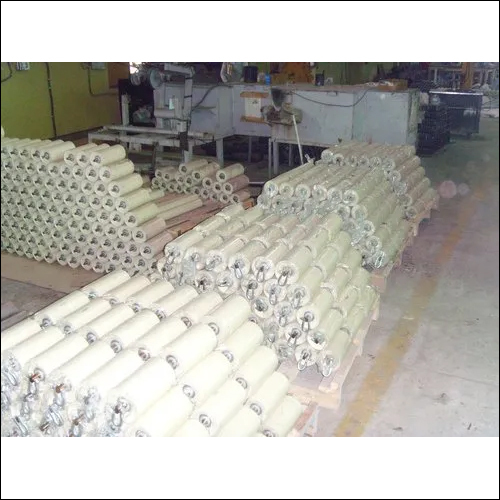
We are offering premium quality Impact Idler designed to absorb heavy impact and protect conveyor belts from damage during material loading operations. Manufactured using high-grade raw materials and advanced engineering techniques, our idlers are widely used in mining, cement, power plants, stone crushing, and bulk material handling industries. The robust construction and excellent shock absorption capacity ensure smooth conveyor performance and longer belt life. Our Impact Idler is specially developed to reduce belt wear, minimize maintenance costs, and improve operational efficiency in demanding industrial environments. The rubber disc design effectively cushions the load impact, making it ideal for high-load conveyor applications.
Durable Construction & High Load Capacity
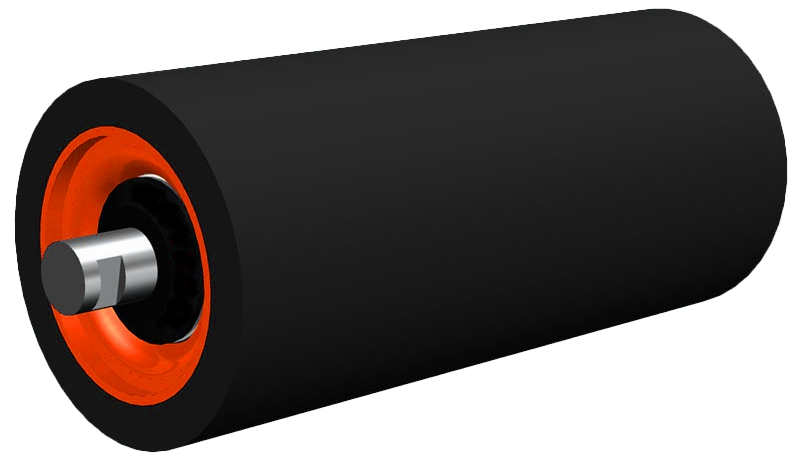
Engineered from high-grade stainless steel, our Conveyor Impact Idler resists wear and supports heavy loads up to 1550 kilograms. With its 4.5 mm thick roller and 800 mm length, this idler offers stability and longevity, even under continuous operation. The black finish and Sore A Hardness rating further enhance durability, reducing downtime in demanding environments.
Reliable Performance for Material Handling
With a speed of 3.5 m/s and a 515 kW power range, our conveyor idler ensures smooth, continuous material transfer. Designed to absorb impacts, it preserves the integrity of both the conveyor belt and the transported materials. This makes it ideal for bulk handling in mining, logistics, and various industrial sectors, where reliability is crucial.
Why Choose Our Impact Idler?
Our company is committed to delivering high-quality Impact Idler solutions that meet industrial standards and customer requirements. Each product is tested for durability, strength, and performance to ensure maximum customer satisfaction. With competitive pricing, timely delivery, and quality assurance, we have become a trusted choice for conveyor idler solutions.
If you are looking for a reliable Impact Idler manufacturer and supplier in India, we provide the best products for efficient conveyor belt protection and smooth material handling operations.
FAQs of Conveyor Impact Idler:
Q: How is the Conveyor Impact Idler installed in a production line?
A: The Conveyor Impact Idler is installed at impact points along conveyor belts, typically where heavy or abrasive materials are loaded. Its standard 800 mm length and robust mounting features allow for straightforward incorporation into new or existing roller conveyor systems.
Q: What materials are suitable to be conveyed using this idler?
A: This idler is designed for a wide range of bulk and heavy materials, including ores, coal, aggregate, and other industrial raw materials. Its stainless steel build with Sore A Hardness 55-70 ensures effective absorption of high impact forces, protecting both the belt and the conveyed products.
Q: When should the impact idler be replaced or maintained?
A: Regular inspections are advised, especially in high-throughput environments. Replacement or maintenance is typically needed if there is significant wear, unusual noise, or decreased performance. Following the manufacturers schedule ensures longevity and optimal functioning.
Q: Where can the Conveyor Impact Idler be used effectively?
A: It is ideally used in industries such as mining, quarrying, bulk material handling, and logistics, especially at transfer or loading zones within conveyors where material impact is highest.
Q: What process is used to manufacture this idler?
A: The Conveyor Impact Idler is produced through precision machining and assembly using stainless steel for durability. The rollers are finished to a Sore A Hardness of 55-70, providing resilience against impact. Stringent quality checks ensure every unit meets load and performance requirements.
Q: How does using this idler benefit a conveyor system?
A: Utilizing this impact idler minimizes conveyor belt wear and absorbs shock loads, reducing the risk of damage to both the belt and materials. This extends belt life, lowers maintenance costs, and promotes consistent system performance.







 Send Inquiry


 Send Inquiry
